Start with a single device, not a whole system
It's common for beginners to feel like they need to commit to an entire smart home ecosystem at once. In practice, starting with one useful device — a smart plug or a smart speaker — is a lower-risk way to learn what's actually useful in your home.
Smart plugs are a low-cost entry point
Smart plugs let you add basic scheduling and remote control to existing lamps or small appliances without replacing any hardware, making them one of the cheapest ways to try smart home functionality.
Smart lighting is a common second step
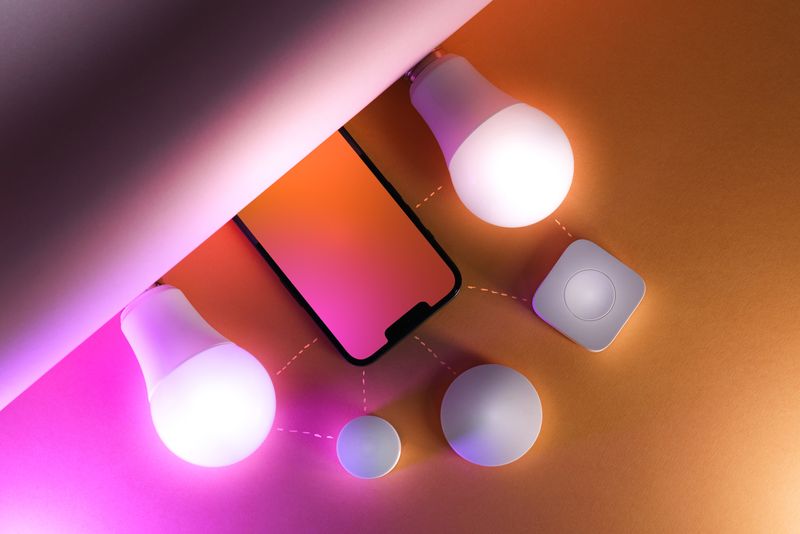
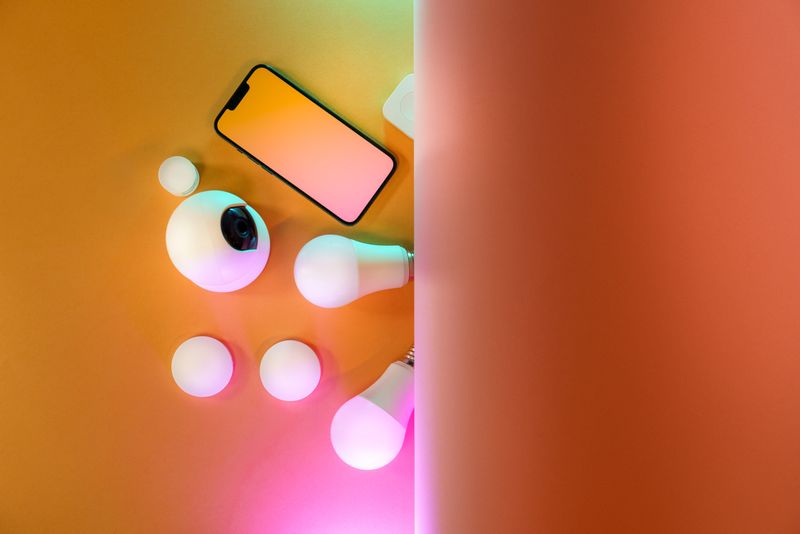
Smart bulbs or switches allow scheduling, dimming, and remote control of lighting, and are widely considered a natural second purchase after smart plugs, since lighting is used daily in every room.
Consider ecosystem compatibility before buying more
Not all smart home devices work with every voice assistant or hub. Checking compatibility with any existing devices, or an intended primary ecosystem, before buying more than one or two products can prevent frustration later.