Choose a dedicated spot, even a small one
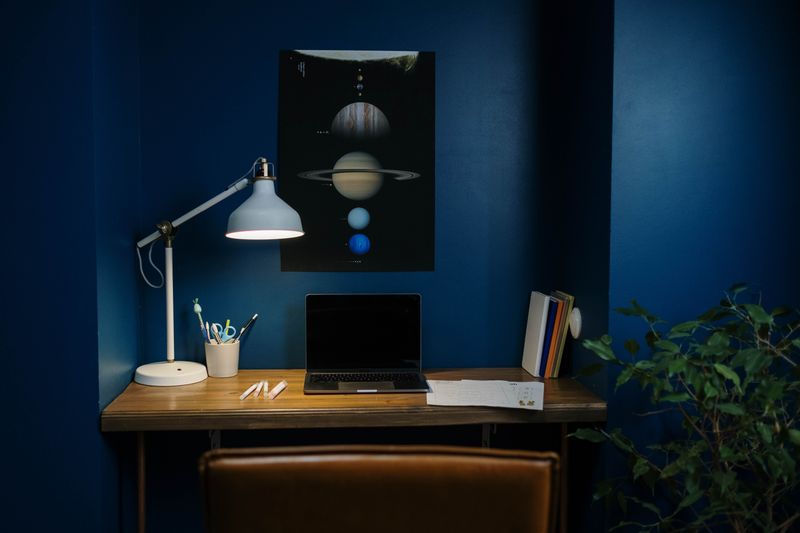
A consistent workspace — even a corner of a bedroom or a closet nook — helps create a mental boundary between work and rest, which is harder to maintain working from a couch or bed.
Prioritize the desk and chair before decor
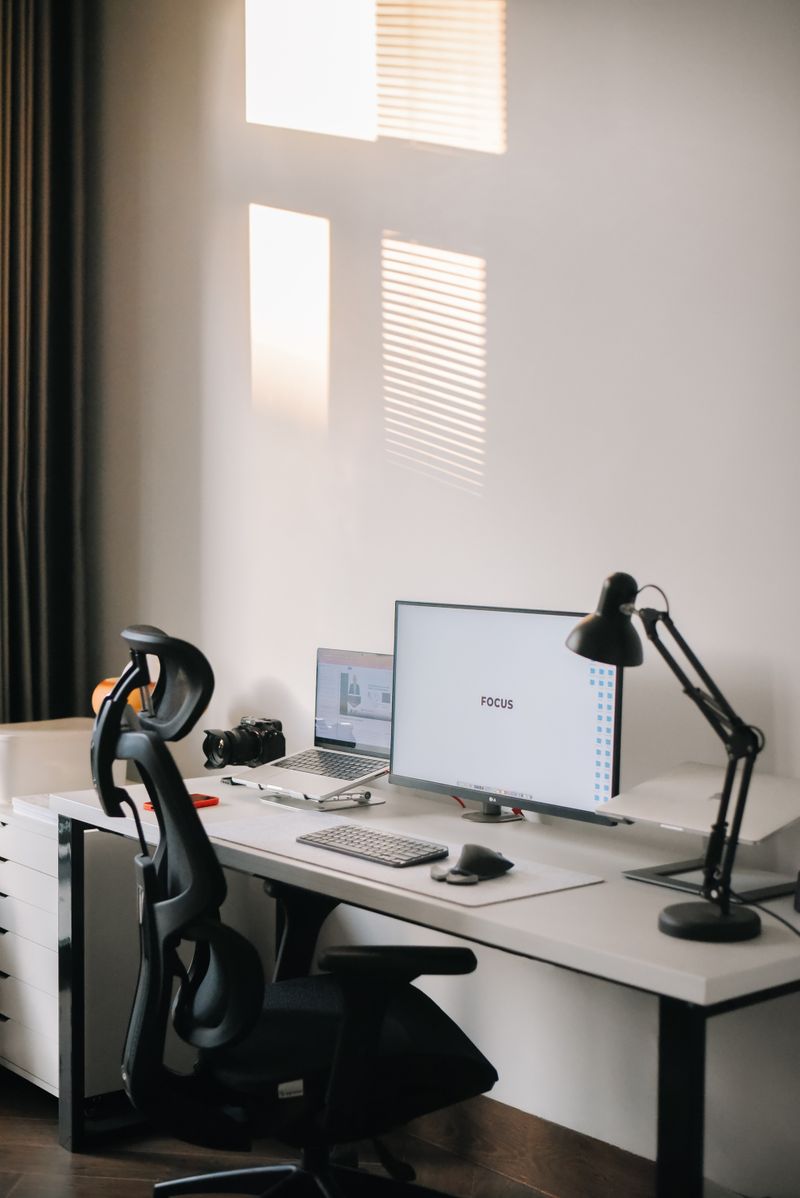
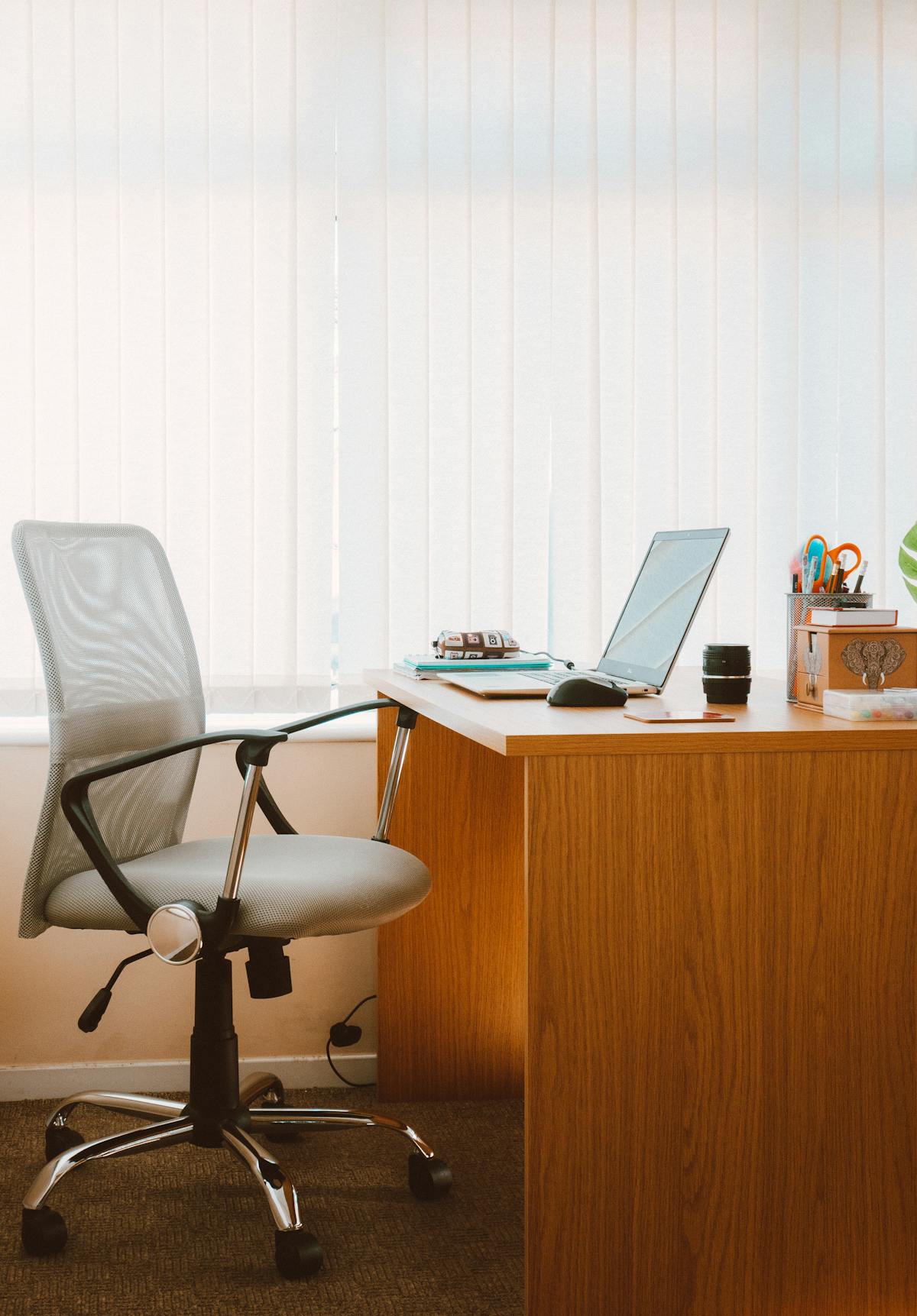
In a small setup, budget and space should go to the two items used for hours a day: a stable desk at the right height and a supportive chair, before spending on decorative elements.
Manage cords and cables early
Cord clutter is one of the fastest ways a small home office starts to feel chaotic. Cable clips, a power strip mounted under the desk, and cord sleeves can be addressed in an afternoon and make a lasting difference.
Add task lighting
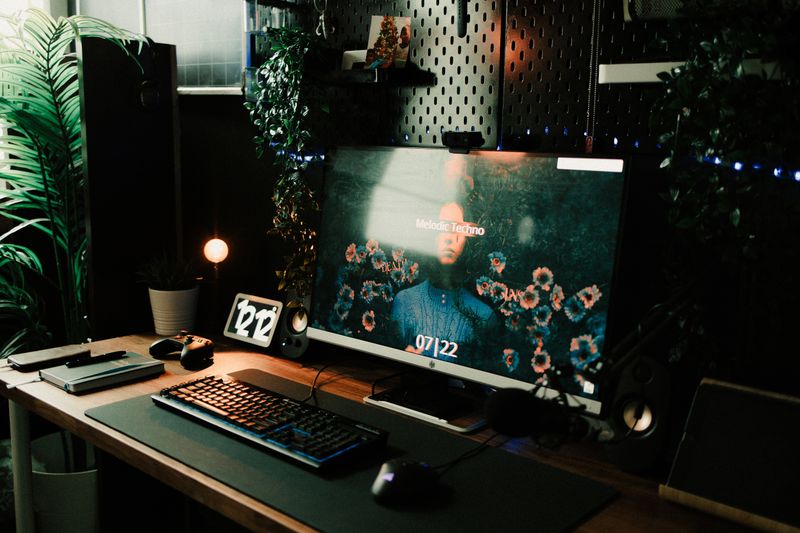
Overhead lighting alone is often insufficient for focused work. A desk lamp with adjustable brightness reduces eye strain during long work sessions, particularly in rooms without strong natural light.