In This Guide
Measure the seating area, not the room
Rug size should be based on the furniture grouping it needs to anchor, not the total square footage of the room. Measure the outer edges of your seating arrangement, including side tables, as your starting point.
The three common placement approaches
There are three widely used approaches to rug placement, and any of them can work depending on the room.
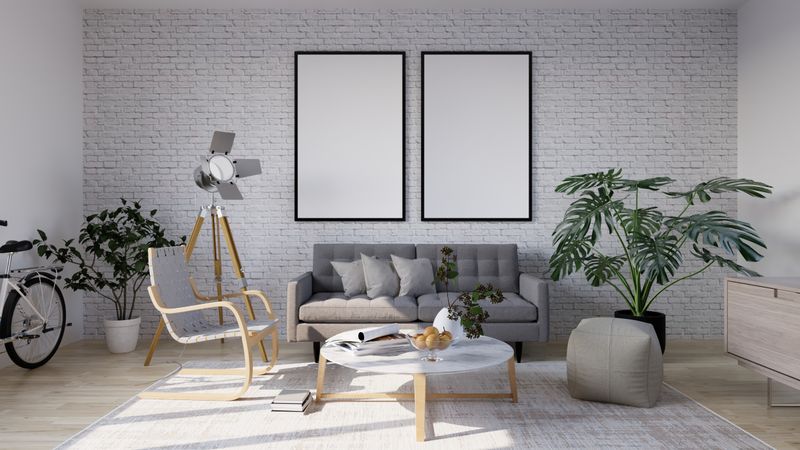
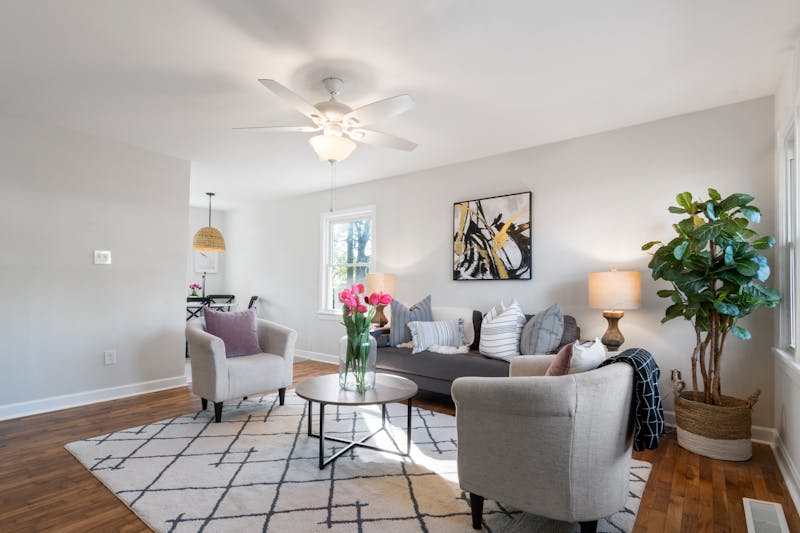
- All four legs on the rug: the most cohesive look, best suited to larger rooms
- Front legs only: a middle-ground option that still visually anchors the seating
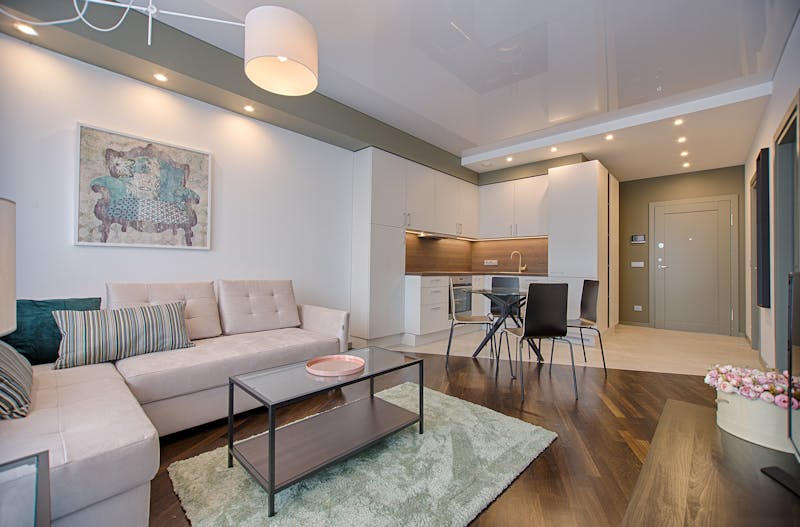
- No furniture legs on the rug (rug floats in the center): generally reads smaller and is best avoided as a primary rug in most living rooms
Common sizing mistakes
The most frequent rug mistake in living rooms is buying too small. A rug that only fits under a coffee table, with furniture legs entirely off it, tends to make the whole room look smaller and less finished than skipping a rug altogether.
- 8x10 feet is a common starting point for average-sized living rooms
- 5x8 feet rugs are often better suited to smaller seating nooks than full living room groupings
- Leave roughly 12–18 inches of bare floor between the rug edge and the walls in most rooms
This article is for general informational and educational purposes only and does not constitute professional advice. Home and Lifestyle Guide may earn a commission from affiliate links at no extra cost to you; this never influences our independent editorial recommendations. See our Advertising Disclosure and Editorial Policy for details.